
UK Needs to Support Retrofit or Risk Leaving Country and Green Transport Goals in the Red

Farnham, 4 June 2024: BEDEO has released a whitepaper exposing major government and policy gaps in the UK EV retrofit market, despite retrofit technology being a proven accelerator for EV adoption and accessibility. The whitepaper, titled ‘Accelerating the Transition, Supporting our Businesses: Enabling Low-Emission Fleets with Retrofit Electrification’, underscores the critical need for introducing incentives for those looking to retrofit, and for retrofitters to be tighter regulated and scrutinised on safety and quality standards. 

A white large van driving on a dual carriageway
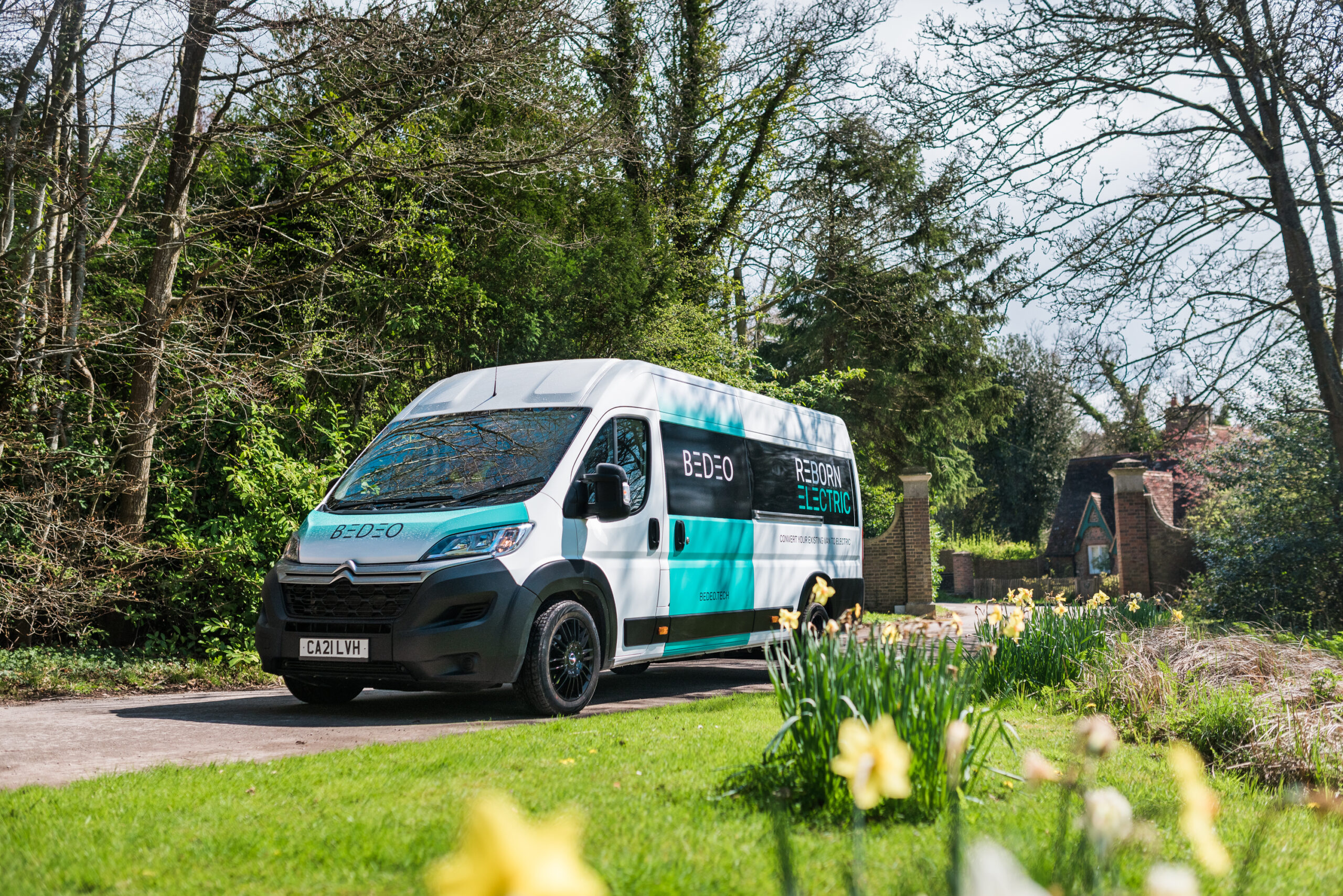
The Reborn Electric range includes the RE-100 range extended option and the BE-100, BE-250 and BE-350 full electric options.

Retrofitting is already popular and well subsidised in other European countries such as France, it’s a process that converts used ICE vehicles to run on electric power, and a proven accelerator in the adoption of EVs. Not only is retrofitting a vehicle to run on electric power proven to extend the life of that vehicle, it also increases its residual value, making it a competitive alternative to buying a new electric van. Additionally, this approach reduces the total cost of ownership as well as the financial burden of buying a brand-new EV while minimising environmental impact; especially for vehicles in this category with major-built-ons in the back of the vehicle, such as refrigeration units, minibus conversions and many other rear fit-out applications. Despite these benefits, the retrofit market is perceived to be lacking in the UK, in a landscape ripe for potential that presents a promising opportunity, ready for smart incentives and enhanced regulation, as emphasised in BEDEO’s whitepaper.

The whitepaper further highlights the UK’s climate issues, as the UK is making “worryingly slow” progress towards net-zero, according to the Climate Change Committee*, showing no real signs of improvement. BEDEO’s paper notes that with an average vehicle age of 8.4 years**, many ICE vehicles registered in the UK by 2035 (zero emissions mandate***) will still be emitting greenhouse gases in the 2040s. BEDEO emphasises the need for support for light commercial vehicles (LCVs), too, which heavily rely on diesel, and travel further than the average passenger car. As of March 2020, the stats show that 4.1 million vans in Great Britain covered 55.5 billion miles annually, with lifetimes over 200,000 miles*****. This means that ICE vans, produced until 2035 or beyond, will, too, continue to emit harmful greenhouse gases beyond 2040, unless they are converted to run on electric power one way or another – with retrofitting emerging as a cost-effective and quicker solution to help meet these crucial deadlines.

BEDEO, founded by Osman Boyner in 2009, has been championing the electrification of UK fleets since the company’s UK market introduction in 2012. He said, “There’s still a lot of work to do for the adoption of EVs. When we came to the UK in 2012, it was due to the UK government’s pioneering vision and incentivisation of electrifying fleets (and passenger cars), but that seems to have fallen by the wayside. 

“The UK was one of the first countries to offer the plug-in car grant, which is now no longer in use; plus the plug-in van grant, which is due to close in 2025 and has significantly reduced from £8,000 (and even upto £16,000 for the N2 category) to £5,000 in that time [from 2012 to now]! It has [the government] also got muddled up by its 2030 to 2035 ban on ICEs and lost a lot of support from SMEs, especially when the cost for them to adopt a new EV (car and van) is nearly 20 per cent more than a diesel equivalent. We just have to look at our capital city, London, for a real-world case study in the reduction in EV incentives. Through Transport for London, it [London] was one of the first cities in the world to establish Congestion Charge exemptions for electric vehicles. That exemption is being abolished in 2025. The falling incentives and government u-turns are causing a lot of confused drivers to wonder if they should switch to electric or not to power their next vehicle, and that’s where retrofit can help lessen the burden.

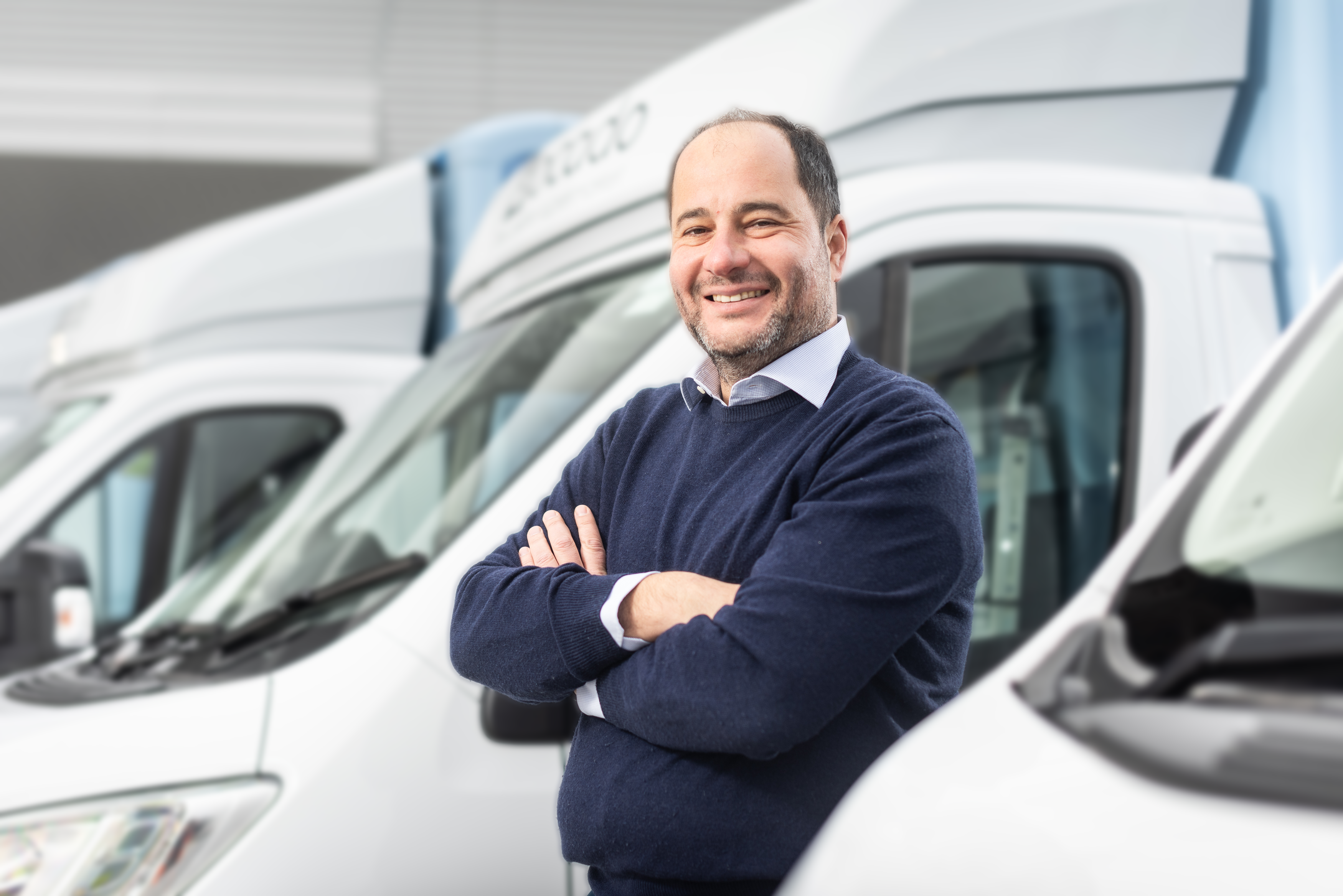
Osman Headshot #1
Osman Boyner, BEDEO Founder and CEO


“Retrofit is going to be important in our [the UK’s] quest for not only a circular economy, but also to adopt electrification, and I’m surprised they [the UK government] aren’t doing more to support it – when you look at how popular Vinted and eBay are for fashion – why can’t we do that with cars and vans? Why do we have to just buy new?” 

While currently still small-scale in the UK, companies like BEDEO are putting retrofit on the map, with BEDEO spearheading retrofitting’s introduction through its OEM-grade Reborn Electric programmes. These programmes use revolutionary in-wheel motors (from Group company, Protean Electric) to enable the electric powertrain conversion, as well as proven, turn-key batteries and chargers, trusted by Stellantis and other large suppliers, from BEDEO direct. In its recently launched whitepaper, BEDEO highlighted that not only is the UK government not investing in financial incentives for owners looking to retrofit their used cars – yet they do for buying brand new EVs – they are also not regulating the industry in terms of safety or best-practice in quality standards. 

Osman Boyner, Founder and CEO of BEDEO, continued and warned, “At BEDEO and Protean Electric, we have been undergoing our own extensive testing and validation of our retrofit solutions before offering them to fleets and private customers. The retrofit market is a bit of a ‘wild west’ at the moment – anyone could take a used EV platform, add it to a vehicle and offer it for sale. They do not have to undergo any testing or validation, and if it’s for a classic vehicle, no MOT would be needed, either. 

“Electric retrofit deserves to have its own regulation, terms and conditions to meet before converting a vehicle and putting it on the road, for the sake of other drivers and occupants of the vehicles. As such, I don’t think electric retrofit is taken as seriously here in the UK, hence it being swept to the side in terms of not only safety but also subsidies. Retrofit is a missing link in the electrification roadmap, but to accelerate growth, the government needs to support and regulate it correctly.”

The whitepaper concludes with a call to action for policymakers, industry stakeholders, and fleet operators in the UK to prioritise investment in retrofit technologies. By embracing retrofit solutions, the UK can mitigate the environmental impact of diesel vans and passenger cars, improve air quality, and accelerate progress towards a greener, more sustainable future. BEDEO will be submitting this whitepaper and other evidence for the government’s Registering historic, classic, rebuilt vehicles and vehicles converted to electric: call for evidence**** as officials review policies and processes relating to DVLA registrations for conversions.

To access the full whitepaper and learn more about the imperative for investment in retrofitting solutions, visit 
bedeo.tech/whitepaper-accelerating-the-transition-supporting-our-businesses

* Climate Change Committee (CCC) 2023 Progress Report to Parliament, a comprehensive overview of the UK Government’s progress to date in reducing emissions

** SMMT data via RAC. 8.4 years represents the highest figure since records began in 2000. There are currently almost 10 million vehicles on UK roads registered before 2008

*** Pathway for zero emission vehicle transition by 2035 becomes law

**** Registering historic, classic, rebuilt vehicles and vehicles converted to electric: call for evidence

***** Final van statistics

About BEDEO

BEDEO (formerly BD Auto) has established itself, and its group companies, as one of the most trailblazing, transformative and trusted vehicle electrification technology providers globally. 

Founded in 2009 by Osman Boyner, the company is headquartered in Farnham, UK, with manufacturing in Turkey and China. BEDEO’s vision is to decarbonise the LCV industry utilising its proprietary, in-house manufactured electrification solutions, including but not limited to: its in-wheel motor (IWM) technology, inverter, battery pack and cabling.

Today, BEDEO Group, which consists of BEDEO and Protean Electric, collectively hold over 300 patents and OEM production credentials in safety, production and homologation. Focusing on the next generation of decarbonisation solutions, BEDEO Group continues to develop technology IP to lead the path for a cleaner, more connected future.

Approved by leading OEM group Stellantis, BEDEO can fit Reborn Electric solutions to a wide range of large commercial vans including the Citroën Jumper, Fiat Ducato, the Peugeot Boxer and Vauxhall / Opel Movano (brand depending on market), with the intention to be a solution provider for all large vans. 

BEDEO’s transformative approach and unmatched time-to-market speed have also made it the partner of choice for over forty blue-chip customers in logistics, e-commerce, online grocery and food retail, and urban waste management including Aras-Kargo, DHL, DPD, Migros, Ocado and TNT / FedEx among others. 

With a focus on making a radical impact on decarbonisation in city centres and accelerating the overall transition to fleet electrification, BEDEO recently introduced an innovative and advanced retrofit solution (named Reborn Electric), converting existing diesel vans into electric or range extended using IWM technology, solving range anxiety issues and low-emission concerns in one solution. 

With a commitment to sustainable mobility, BEDEO is actively expanding into the marine and aviation markets.

Media Contact

Hannah Burgess

hannah@hannahburgesspr.com
+44 (0) 7730 570975

 

BEDEO Launches the World’s First Classic Car EV Retrofit System with In-Wheel Motors as Iconic Defender Paves Way for a New Path of Sustainable EV Conversions

BEDEO’s Reborn Electric: Icons is an addition to the growing BEDEO Group electric vehicle (EV) solutions aiming to decarbonise our transportation systems with the use of retrofits versus buying a brand-new vehicle in the quest to reduce emissions

Farnham, 18 April 2024: BEDEO, a trailblazing force at the forefront of the electric mobility sector, takes a groundbreaking leap in its electrification solutions today by introducing the Reborn Electric: Icons Land Rover Defender – the first vehicle in its journey to retrofit legendary passenger cars.

The BEDEO retrofit Land Rover Icon
BEDEO has launched the Reborn Electric: Icons initiative with the legendary Land Rover Defender

 As it launches its Reborn Electric: Icons programme, demonstrating its unwavering commitment to sustainable mobility, BEDEO is reshaping and revolutionising its approach and is harnessing the power of its cutting-edge, proprietary in-wheel motor (IWM) technology to do so. In turn BEDEO has become the first company in the world to offer an electric retrofit package for classic cars using in-wheel motors.

The Reborn Electric: Icons initiative kicks off with the transformation of this legendary Defender, a true automotive icon, that will now join the Reborn Electric family, maintaining its rugged charm while embracing the advantages of electric power. Having previously achieved considerable success with its revolutionary, owned drivetrain technology, which has travelled an impressive 60 million kilometres across Europe since 2009, BEDEO aims to extend the reach of sustainable mobility to customers everywhere. 

With its whisper-silent battery-powered powertrain, the first Defender to undergo this transformation is equipped with a 75-kWh battery, with an estimated WLTP of 247 km (153 miles), and a standard 22 kW on-board charger that achieves 100 per cent charge in only five hours. BEDEO can also incorporate optional 50 kW fast charging, which recharges in 90 minutes. 

Losing none of the ruggedness and charm of a traditional Land Rover Defender on the road, the updated BEDEO conversion is transformed into a sustainable icon without emissions, that can be enjoyed for years to come. With the same passion for technology and sustainability as every other project BEDEO has undertaken over the last 15 years, its high-performance electric drivetrain is designed and engineered entirely in-house, using the best components and BEDEO’s unique IWM technology.

BEDEO’s Reborn Electric conversions, made possible through the innovative IWM technology developed by group company Protean Electric are poised to offer individuals a revolutionary new outlook on vehicle and emissions management as it looks towards a greener, more sustainable future. Given its innovative approach, the technology isn’t limited to any one specific vehicle over another, and even though the Defender leads the charge, BEDEO’s IWM technology can be utilised in any vehicle, catering to any customer’s specific wants and needs.


An image of the back right wheel of the retrofit Defender, showing an in-wheel motor
BEDEO's Reborn Electric conversions, made possible through the innovative IWM technology developed by group company Protean Electric


Osman Boyner, founder and CEO of BEDEO, emphasised the significance of this expansion and said, “The classic car community has warmly embraced the idea of converting their beloved vehicles to run on electric power through EV conversion. However, until now, none have ventured into utilising in-wheel motors to tap into the advantages of weight reduction and engineering enhancements. 

“Through our Reborn Electric: Icons program, we are committed to maintaining the original car’s kerb weight, charm, and driving dynamics while ensuring easy maintenance and delivering the benefits of electrification. For the Defender, and other models to come, this means zero tailpipe emissions, zero noise, and the preservation of the nostalgic, classic driving experience we all cherish, now brought into the 21st Century without sacrificing its essence or adding unnecessary, bulky weight.

“Reborn Electric: Icons represents a natural evolution for us as pioneers in sustainable mobility. The successful conversion of the iconic Defender showcases the versatility of our proprietary technologies and unlocking the in-wheel motor in this way will forge a new path for the future. We’re not simply converting cars to electric power; we’re preserving automotive heritage, while enabling the clean and efficient transportation of the future, with a technology that has only been preserved for large OEMs and brand-new vehicles, until today.”

Embracing BEDEO’s proprietary technology in the transformation and electrification of cars represents a revolutionary approach that empowers customers with an unparalleled level of customisation. By harnessing the innovative capabilities of in-house technology and refurbishment capabilities of its partners, customers are granted the freedom to tailor their overhauled, electrified cars to their exacting specifications, not only facilitating a seamless integration of electrification that is efficient and effective but also opening a gateway to limitless customisation possibilities. 

BEDEO’s vision is that owners are not confined by pre-set limitations; instead, they become active collaborators in the design process. They will do this by working closely with BEDEO’s partners to ensure that every aspect of the vehicle is precisely tailored to meet individual desires. This innovative collaboration not only results in a one-of-a-kind driving experience but also fosters a sense of ownership and pride, as customers actively participate in shaping their automotive dreams into reality.

Looking to the future, BEDEO’s Reborn Electric solutions extend beyond the Land Rover Defender, with plans to include other iconic vehicles in the initiative. Positioned as a global player in the electrification landscape with headquarters and R&D operations in the UK and manufacturing facilities in Turkey and China, BEDEO marks a significant step forward with the Reborn Electric: Icons programme, with this move aligning with the company’s overarching mission to offer practical, sustainable solutions for fleets and individuals embracing electric and hybrid vehicles.

Interested parties looking to become partner-installers or understand more about the sales process, are invited to contact us

Note: All trademarks, logos and brand names are the property of their respective owners. All company, product and service names used are for identification purposes only. Use of these names, trademarks and brands does not imply endorsement.

About BEDEO

BEDEO (formerly BD Auto) has established itself, and its group companies, as one of the most trailblazing, transformative and trusted vehicle electrification technology providers globally. 

Founded in 2009 by Osman Boyner, the company is headquartered in Farnham, UK, with manufacturing in Turkey and China. BEDEO’s vision is to decarbonise the automotive industry utilising its proprietary, in-house manufactured electrification solutions, including but not limited to: its in-wheel motor (IWM) technology, inverter, battery pack and cabling.

Through its Build Electric, Drive Electric and Reborn Electric initiatives, BEDEO intends to be a solution provider for all areas of the automotive market, with its proprietary pioneering technology at the heart of the mission. In tandem with fleet decarbonisation efforts, BEDEO’s Reborn Electric: Icons initiative is a dedicated focus on passenger vehicles, seeking to reimagine iconic vehicles with a sustainable twist, infusing them with BEDEO’s proprietary technologies, which are used and trusted by OEMs and suppliers worldwide.

Today, BEDEO Group, which consists of BEDEO and Protean Electric, collectively hold over 300 patents and OEM production credentials in safety, production and homologation. Focusing on the next generation of decarbonisation solutions, BEDEO Group continues to develop technology IP to lead the path for a cleaner, more connected future.

Approved by leading OEM group Stellantis, BEDEO’s solutions not only address the environmental impact of fleet operations – its transformative approach and unmatched time-to-market speed making it the partner of choice for over forty blue-chip customers in logistics, e-commerce, online grocery and food retail, and urban waste management – but also strives to make sustainable transportation accessible to individual consumers, fostering a broader shift towards a cleaner and greener automotive future.

With a commitment to sustainable mobility, BEDEO is actively expanding into the marine and aviation markets.

About Protean Electric

Protean Electric is a global leader in the development of in-wheel motor technology for electric vehicles, catering to passenger cars, light commercial vehicles, and future transport solutions. 

Established in 2008, the company has dedicated over a decade and a million hours to perfecting its IWM technology, and with over 2 million kilometres travelled in 31 different vehicle types, it continues to lead with over 200 patents and 130 pending, embodying its commitment to innovation. The company’s ProteanDrive technology, featuring integrated power electronics and digital control, represents a significant advancement in the electric vehicle landscape.

Protean Electric’s innovative approach involves generating power directly in a vehicle’s wheels, eliminating the need for a central motor and drivetrain. In-wheel motors, also known as hub motors, provide drivers with enhanced torque response, improved handling, faster acceleration, reduced charging times, and increased range. The technology’s benefits further extend to efficiency gains, weight reduction, and a more flexible vehicle design. ProteanDrive’s friction brakes, developed in collaboration with leading brake system experts, are tailored to suit any type of vehicle, providing a comprehensive solution for electric vehicle efficiency.

With over 150 talented individuals globally, its diverse team is united by a shared purpose – to make electric vehicles better for the people who use them and for the planet. Embracing diversity, inclusion, and a culture of openness, Protean Electric believes differences strengthen the company and improve its products.

Driving the future of electric vehicles, and positioned at the forefront of automotive technology, Protean Electric is committed to redefining travel possibilities. As the company propels forward, the focus remains on shaping the future of electric mobility with precision and purpose.

For more information, visit proteanelectric.com

Media Contact
Hannah Burgess
hannah@hannahburgesspr.com
+44 (0) 7730 570975


Medisort Takes Sustainable Leap with BEDEO’s Electric Retrofit Solutions

• Medisort has become the latest customer to electrify its fleet through BEDEO’s innovative Reborn Electric retrofit programme 

• The clinical waste management firm has selected BEDEO to electrify its X250 vans as Reborn Electric RE-100 Range Extender models

• By incorporating the RE-100 into its existing fleet, Medisort is actively working to reduce its carbon footprint across its entire operations as it acknowledges that sustainable waste management is part of a broader circular economy 

• RE-100 allows diesel vans to be efficient in both electric-only, last-mile delivery mode in low-emission zones as well as densely populated areas, and use diesel mode for journeys outside of urban areas

• The integration of the RE-100 into Medisort’s fleet will be rolled out in phases to ensure a smooth transition, with the first van now in service and others to follow

Farnham, 15 April 2024. Medisort, a leading player in the clinical waste collection and management sector, has embarked on a groundbreaking initiative to electrify its fleet by embracing BEDEO’s revolutionary Reborn Electric RE-100 Range Extender technology. With this latest customer announcement underscoring BEDEO’s continued leadership in the electric mobility sector, it also marks a significant step forward in Medisort’s commitment to environmental responsibility.

BEDEO’s proprietary RE-100 Range Extender solution will allow Medisort to reduce its cost of ownership by extending the life of its X250 diesel vans while significantly limiting emissions. With its 117 km (73 miles) of electric range, the innovative solution seamlessly integrates with the existing diesel mode, promoting flexibility and adaptability in diverse operational scenarios, allowing fleets to travel in urban areas on electric-only mode and utilise the diesel engine for longer distances. At the heart of the RE-100 retrofit solution are its two in-wheel motors and a 37 kWh battery developed and manufactured by BEDEO’s group company Protean Electric. The compact and lightweight in-wheel motors are fitted to the rear axle, ensuring no suspension or rear cargo modifications are necessary, thus preserving ground clearance, load space and existing cargo systems.

As a pioneer in sustainable transportation since 2009, BEDEO is renowned for its trailblazing initiatives in electric mobility, having been at the forefront of revolutionising transportation for over a decade. Already the preferred partner for blue-chip customers in logistics, e-commerce and other waste management solutions, Medisort’s utilisation of the RE-100 further underscores the capabilities of its Reborn Electric solution. 

Medisort CEO Stuart Brittle pictured at its HQ with fleet
Medisort Managing Director, Stuart Brittle

Stuart Brittle, Managing Director of Medisort, said: “The ability to upgrade and electrify our existing fleet without changing our rear cargo fit-out is key for us to keep our operations running effectively and efficiently. We cater to companies that facilitate and house some of the most vulnerable within our communities, and the work we do is essential in keeping those businesses running. The ability to start our journey towards a greener, more sustainable future without jeopardising any of our key partners or clients is a huge step towards transforming our fleet and our operations to keep doing what we do, just in a more sustainable, flexible and cost-effective manner.”

CEO and Founder of BEDEO, Osman Boyner, said: “Companies like Medisort serve as the backbone of countless communities, and it’s imperative that they sustainably continue their vital services well into the future. As we continue to advocate for effective and robust e-solutions in the market, we are enablers on the path to this sustainable future. BEDEO is committed to being a driving force behind the transformative journeys of companies such as Medisort, ensuring they thrive in a greener tomorrow.

“With our extensive experience as a Tier 1 supplier to global OEMs such as Stellantis and a focus on the quality of the solution, BEDEO offers in-house manufactured and owned technologies like the RE-100 Range Extender used by Medisort today. These solutions empower businesses to swiftly transition their fleets, surpassing expectations in both speed and affordability compared to purchasing brand new vehicles. Our systems enable companies to prolong the lifespan of existing vehicles while retaining crucial fit outs, ultimately minimising costs and environmental impact.”

Medisort’s decision to leverage BEDEO’s proprietary technology aligns with the growing global movement towards greener and more sustainable practices and acknowledges the need to protect vulnerable members of society. Catering to various healthcare organisations such as dentists, care homes, and hospitals, Medisort aims to significantly reduce its carbon footprint by embracing the RE-100 solution, recognising the critical importance of reducing emissions in the healthcare waste management sector. Remaining committed to addressing its environmental impact, BEDEO’s Reborn Electric retrofit solution offers Medisort the opportunity to electrify its existing fleet of large diesel vans and specialist HGVs and align with its dedication to sustainable waste management – a pivotal element in the broader circular economy.

Medisort’s proactive approach towards fleet electrification will be showcased through a phased project involving the retrofit of its vans with the RE-100, with the first BEDEO van already in service. With its second RE-100 van expected to join the fleet later this year (2024), this phased approach allows Medisort to assess performance and practicality in real-world scenarios, paving the way for the potential scalability of electrification efforts. 

About BEDEO

BEDEO (formerly BD Auto) has established itself, and its group companies, as one of the most trailblazing, transformative and trusted vehicle electrification technology providers globally. 

Founded in 2009 by Osman Boyner, the company is headquartered in Farnham, UK, with manufacturing in Turkey and China. BEDEO’s vision is to decarbonise the LCV industry utilising its proprietary, in-house manufactured electrification solutions, including but not limited to: its in-wheel motor (IWM) technology, inverter, battery pack and cabling.

Today, BEDEO Group, which consists of BEDEO and Protean Electric, collectively hold over 300 patents and OEM production credentials in safety, production and homologation. Focusing on the next generation of decarbonisation solutions, BEDEO Group continues to develop technology IP to lead the path for a cleaner, more connected future.

Approved by leading OEM group Stellantis, BEDEO can fit Reborn Electric solutions to a wide range of large commercial vans including the Citroën Jumper, Fiat Ducato, the Peugeot Boxer and Vauxhall / Opel Movano (brand depending on market), with the intention to be a solution provider for all large vans. 

BEDEO’s transformative approach and unmatched time-to-market speed have also made it the partner of choice for over forty blue-chip customers in logistics, e-commerce, online grocery and food retail, and urban waste management including Aras-Kargo, DHL, DPD, Migros, Ocado and TNT / FedEx among others. 

With a focus on making a radical impact on decarbonisation in city centres and accelerating the overall transition to fleet electrification, BEDEO recently introduced an innovative and advanced retrofit solution (named Reborn Electric), converting existing diesel vans into electric or range extended using IWM technology, solving range anxiety issues and low-emission concerns in one solution. 

With a commitment to sustainable mobility, BEDEO is actively expanding into the marine and aviation markets.

Media Contact
Hannah Burgess
hannah@hannahburgesspr.com
+44 (0) 7730 570975

BEDEO lance une technologie de modernisation qui rend un fourgon diesel électrique en appuyant simplement sur un bouton

Une nouvelle solution crée un nouveau modèle commercial durable pour les opérateurs de flotte

Une solution de modernisation avancée qui s’adapte aux fourgons diesel existants pour les rendre à la fois électriques (d’abord) et/ou diesel sur simple pression d’un bouton grâce à la technologie innovante de moteur dans les roues (IWM) a été lancée par BEDEO, un fournisseur et fabricant de véhicules électriques. basé à Farnham.

Le nouveau prolongateur d’autonomie RE-100, qui fait partie de sa gamme Reborn Electric, permet aux organisations disposant de grandes flottes de camionnettes, souvent avec des conversions majeures (par exemple, des unités de réfrigération, des aménagements sur mesure, des minibus, etc.), de conserver ces véhicules plus longtemps tout en continuant à passer à un avenir électrique.

The Reborn Electric range includes the RE-100 range extended option and the BE-100, BE-250 and BE-350 full electric options.

Une nouvelle solution crée un nouveau modèle commercial durable pour les opérateurs de flotte

Une solution de modernisation avancée qui s’adapte aux fourgons diesel existants pour les rendre à la fois (d’abord) et/ou diesel sur simple pression d’un bouton grâce à la technologie innovante de moteur dans les roues (IWM) a a été lancé par BEDEO, un fournisseur et fabricant de véhicules électriques. basé à Farnham.

Le nouveau prolongateur d’autonomie RE-100, qui fait partie de sa gamme Reborn Electric, permet aux organisations disposant de grandes flottes de camionnettes, souvent avec des conversions majeures (par exemple, des unités de réfrigération, des aménagements sur mesure, des minibus , etc.), de conserver ces véhicules plus longtemps tout en continuant à passer à un avenir électrique.

Osman Headshot #1
Osman Boyner, BEDEO Founder and CEO
« Même si la durabilité est bien entendu un facteur clé, la durabilité de bout en bout (tout le cycle de vie) du véhicule doit également être prise en compte », poursuit-il. « Il ne peut pas être durable de remplacer un véhicule qui n’a pas atteint la fin de sa durée de vie utile, ni de remplacer non seulement le véhicule, mais également les unités de réfrigération ou l’aménagement sur mesure dont disposent bon nombre de ces véhicules.
« La modernisation par l’électrique surmonte ces défis et bien plus encore, en satisfaisant le besoin de réduire les émissions dans nos centres-villes où la majorité des trajets du « dernier kilomètre » sont nécessaires, insufflant ainsi une nouvelle vie aux véhicules plus anciens. Aujourd’hui, BEDEO peut installer des solutions Reborn Electric sur une large gamme de grands fourgons commerciaux, notamment le Peugeot Boxer, le Citroën Jumper, le Fiat Ducato et le Vauxhall Movano, avec l’intention d’être un fournisseur de solutions pour tous les grands fourgons. BEDEO a la capacité de convertir des centaines de véhicules à tout moment sur ses sites en Europe. Reborn Electric est une gamme de solutions de modernisation qui comprend l’option étendue de la gamme RE-100 et les options entièrement électriques BE-100, BE-250 et BE-350. Notes aux éditeurs :  BEDEO (anciennement connu sous le nom de BD Auto) est un fournisseur de véhicules électriques et un fabricant de solutions de transmission basé à Farnham. Fondée par Osman Boyner en Turquie en 2009, BEDEO se concentre sur la production de modèles de véhicules utilitaires légers purement électriques. Les véhicules fabriqués par BEDEO ont parcouru plus de 50 millions de kilomètres à travers l’Europe, notamment au Royaume-Uni, en France, au Danemark, aux Pays-Bas et en Italie. BEDEO a commencé à proposer sa gamme de fourgons électriques au Royaume-Uni en 2017 et a commencé à travailler avec le supermarché britannique Ocado l’année suivante. En 2019, le Groupe PSA (aujourd’hui Stellantis – le troisième constructeur automobile mondial comprenant Peugeot, Citroën, Opel, Vauxhall et Fiat Chrysler) a annoncé qu’il fournirait et installerait des solutions de transmission électrique BEDEO sur une sélection de ses véhicules utilitaires légers. Contact média : Hannah Burgess E-mail : hannah@hannahburgesspr.com Tél : +44 (0) 7730 570975

La recherche BEDEO montre la nécessité d’un soutien gouvernemental pour accélérer la demande de modernisation électrique des fourgons commerciaux

– La France devance le Royaume-Uni en subventionnant la conversion des fourgons diesel en véhicules électriques

– Jusqu’à 5,5 milliards de livres sterling pourraient être économisés grâce à la modernisation plutôt qu’au remplacement des flottes diesel existantes par de nouveaux fourgons entièrement électriques

– Les gestionnaires de flotte considèrent l’autonomie, la disponibilité et le coût des nouveaux fourgons électriques comme des obstacles à l’adoption

Osman Boyner, BEDEO CEO and Founder, says that adding electric to an existing diesel van by way of an in-wheel motor and battery system would not only save significant money, but also overcome fleet managers’ current concerns regarding range, affordability and sustainability.

Un cinquième (20 %) des gestionnaires de flotte choisiraient de moderniser immédiatement leurs véhicules utilitaires existants pour les décarboner, sans avoir à supporter le coût total du remplacement alors que leurs camionnettes ont encore beaucoup de kilomètres au compteur.

Et si les 20 % du parc de grandes fourgonnettes du Royaume-Uni (environ 150 000 véhicules) étaient modernisés plutôt que remplacés, les entreprises britanniques pourraient économiser des milliards d’ici 2035, selon une nouvelle étude.

Ils conserveraient également leur flotte existante, ce qui présenterait des avantages opérationnels significatifs, tout en relevant le défi plus large de la durabilité consistant à se débarrasser des véhicules et des aménagements coûteux avant la fin de leur durée de vie utile.

L’étude menée par BEDEO, fournisseur et fabricant de véhicules électriques, a recueilli l’avis de 200 exploitants de flottes majeures au Royaume-Uni et en France afin de découvrir les stratégies qu’ils poursuivaient en matière d’électrification et leur niveau de connaissance des options particulières qui s’offraient à eux.

Parmi les exploitants de flotte qui envisageaient de nouveaux véhicules, plus de la moitié (51 %) craignaient que le manque d’autonomie disponible avec les nouveaux fourgons électriques n’ait un impact négatif sur leurs opérations, et deux sur cinq (40 %) ont déclaré que les fourgons électriques étaient tout simplement trop chers. . Un nombre similaire (35%) déclarent que même s’ils sont enclins à acheter du neuf, la gamme de produits est actuellement trop limitée.

Un certain nombre d’entre eux [40 %] ont déclaré que l’échéance « était encore loin », ce qui a fait craindre que certains n’utilisent cela comme une raison pour repousser la décision plus tard : « C’est précisément là que la rénovation peut avoir sa place », déclare Osman Boyner, fondateur de BEDEO, « en offrant aux entreprises une solution rentable qui accélère leur parcours vers la décarbonation sans avoir à supporter tous les coûts ».

Une nouvelle solution de modernisation, très populaire et soutenue financièrement par les pouvoirs publics en France mais pas au Royaume-Uni, ajoute un groupe motopropulseur électrique au diesel existant sans le remplacer, ajoutant ainsi plus de 70 miles supplémentaires de conduite électrique à son autonomie (jusqu’à 600 km). miles+) et sans compromettre l’espace de chargement.

En termes de chiffres, remplacer un grand fourgon diesel existant par un nouveau véhicule électrique coûterait au gestionnaire de flotte en moyenne 55 000 £ par véhicule. Ce montant s’élève à 62 500 £ par véhicule, lorsque l’on prend en compte le montant moyen dépensé (7 500 £ selon l’étude) pour l’aménagement de chaque véhicule (unités de réfrigération, rayonnages, etc.).

Remplacer 150 000 véhicules par de nouveaux véhicules électriques (sur un parc total de grands fourgons de 750 000 unités) coûterait donc aux entreprises 9,38 milliards de livres sterling. À titre de comparaison, la conversion de chaque véhicule au coût de 25 000 £ nécessiterait un investissement total de 3,75 milliards de livres sterling, soit une économie de 5,5 milliards de livres sterling pour les entreprises.

Même si une valeur résiduelle de 15 000 £ pour chaque véhicule vendu était prise en compte (47 500 £ x 150 000 = 7,13 milliards de £), les entreprises économiseraient quand même environ 50 % du coût total de possession en convertissant plutôt qu’en achetant du neuf.

BEDEO recently launched its RE-100 Range Extender – an advanced retrofit solution which fits to existing diesel vans to make them both electric (first) and/or diesel at the touch of a button.

Osman Boyner affirme que l’ajout d’un véhicule électrique à un fourgon diesel existant au moyen d’un moteur dans les roues et d’un système de batterie permettrait non seulement d’économiser beaucoup d’argent, mais permettrait également de répondre aux préoccupations actuelles des gestionnaires de flotte concernant l’autonomie, l’abordabilité et la durabilité. À cette fin, il appelle le gouvernement à agir :

« Notre recherche montre qu’un plus grand nombre de gestionnaires de flotte (c’est-à-dire les 80 %) pourraient être plus enclins à envisager une solution de modernisation s’ils étaient plus sensibilisés et c’est là que le gouvernement peut jouer son rôle à travers des incitations : plus de la moitié (54 %) n’avaient que peu ou pas de moyens. même aucune connaissance en matière de rénovation, malgré les énormes avantages qu’elle peut apporter en aidant les entreprises à transitionner vers un avenir électrique et à accélérer leurs stratégies de décarbonation. « Les niveaux de sensibilisation étaient beaucoup plus élevés en France (65 %) », poursuit-il, « où le gouvernement français propose une subvention de rénovation de 9 000 € ; aucune subvention de ce type n’est disponible au Royaume-Uni, et c’est quelque chose que nous cherchons à changer. BEDEO a récemment lancé son prolongateur d’autonomie RE-100 – une solution de modernisation avancée qui s’adapte aux fourgons diesel existants pour les rendre à la fois électriques (d’abord) et/ou diesel sur simple pression d’un bouton. Il donne aux fourgons une autonomie électrique de 117 km en plus de l’autonomie diesel existante de 600 km, résolvant ainsi les problèmes d’autonomie et les problèmes de faibles émissions dans les centres-villes en une seule solution. Les données SMMT jusqu’à fin 2021 évaluaient le parc total de fourgonnettes du Royaume-Uni à environ 4,6 millions de véhicules. Cela comprend environ 750 000 grandes camionnettes (soit plus de 3,5 t). Le coût moyen d’un nouveau grand fourgon électrique au Royaume-Uni est de 55 000 £ (comparaison du marché) ; le coût moyen par aménagement est de 7 500 £ (recherche BEDEO). -FIN- Notes aux éditeurs : BEDEO (anciennement connu sous le nom de BD Auto) est un fournisseur de véhicules électriques et un fabricant de solutions de transmission basé à Farnham. Fondée par Osman Boyner en Turquie en 2009, BEDEO se concentre sur la production de modèles de véhicules utilitaires légers purement électriques. Les véhicules fabriqués par BEDEO ont parcouru plus de 50 millions de kilomètres à travers l’Europe, notamment au Royaume-Uni, en France, au Danemark, aux Pays-Bas et en Italie. BEDEO a commencé à proposer sa gamme de fourgons électriques au Royaume-Uni en 2017 et a commencé à travailler avec le supermarché britannique Ocado l’année suivante. En 2019, le Groupe PSA (aujourd’hui Stellantis – le troisième constructeur automobile mondial comprenant Peugeot, Citroën, Opel, Vauxhall et Fiat Chrysler) a annoncé qu’il fournirait et installerait des solutions de transmission électrique BEDEO sur une sélection de ses véhicules utilitaires légers. Contact média : Hannah Burgess E-mail : hannah@hannahburgesspr.com Tél : +44 (0) 7730 570975

Thierry Bolloré rejoint le conseil consultatif de BEDEO en tant que conseiller stratégique

Fort d’une vaste expérience au sein du Groupe Renault et de Jaguar Land Rover (JLR), il apporte à BEDEO une connaissance approfondie de l’industrie automobile.

LONDRES, Royaume-Uni – 20 novembre 2023 – BEDEO, le leader mondial du développement et de la fabrication de moteurs électriques intégrés aux roues (Protean) et de technologies de groupes motopropulseurs, a annoncé que Thierry Bolloré a rejoint le conseil consultatif de l’entreprise.

Au cours d’une illustre carrière de plus de 30 ans dans l’industrie automobile, M. Bolloré a occupé différents postes de direction au sein des multinationales Michelin et Faurecia, avant de rejoindre le directoire de Renault en 2012 et d’être promu PDG en 2019. Il a ensuite été nommé PDG de Jaguar Land Rover (JLR) en 2020.

Thierry Bollore
Thierry Bolloré Joins BEDEO Advisory Board as Strategic Advisor
Le fondateur et PDG de BEDEO, Osman Boyner : « En tant que leader mondial établi doté du plus haut pedigree, je suis ravi d’accueillir Thierry, qui apporte une richesse d’expérience, de connaissances et de connaissances dans le domaine automobile. réseau très complémentaire à la mission de l’entreprise de devenir un leader mondial des technologies d’électrification des transports. M. Thierry Bolloré : « Je suis heureux de rejoindre BEDEO qui, dans le domaine en rapide évolution des technologies d’électrification, est l’une des rares entreprises à disposer d’une différenciation produit unique et forte. L’entreprise est un leader incontesté dans l’électrification des transports et possède une vaste expérience dans le développement et la fabrication de technologies d’électrification de grande valeur et rentables pour les équipementiers mondiaux et les clients de flottes. J’ai hâte de partager mes connaissances avec l’entreprise afin de la soutenir dans la poursuite de sa mission en matière d’électrification des transports. À propos de BEDEO BEDEO (anciennement connu sous le nom de BD Auto) est un fournisseur de véhicules électriques et un fabricant de solutions de transmission basé à Farnham. Fondée par Osman Boyner en Turquie en 2009, BEDEO se concentre sur la production de modèles de véhicules utilitaires légers purement électriques. Les véhicules fabriqués par BEDEO ont parcouru plus de 50 millions de kilomètres à travers l’Europe, notamment au Royaume-Uni, en France, au Danemark, aux Pays-Bas et en Italie. BEDEO a commencé à proposer sa gamme de fourgons électriques au Royaume-Uni en 2017 et a commencé à travailler avec le supermarché britannique Ocado l’année suivante. En 2019, le Groupe PSA (aujourd’hui Stellantis – le troisième constructeur automobile mondial comprenant Peugeot, Citroën, Opel, Vauxhall et Fiat Chrysler) a annoncé qu’il fournirait et installerait des solutions de transmission électrique BEDEO sur une sélection de ses véhicules utilitaires légers. BEDEO a récemment lancé une solution de modernisation avancée qui s’adapte aux fourgons diesel existants pour les rendre à la fois électriques (d’abord) et/ou diesel sur simple pression d’un bouton grâce à la technologie innovante de moteur dans les roues (IWM). / www.bedeo.tech  Contact média : Hannah Burgess E-mail :  hannah@hannahburgesspr.com Tél : +44 (0) 7730 570975

Les subventions du gouvernement britannique pour la rénovation accéléreraient le parcours vers la décarbonisation

Lorsque le gouvernement a annoncé en septembre 2023 qu’il allait reporter de cinq ans, soit 2035, l’interdiction de la vente de voitures et de camionnettes neuves à essence et diesel, il a suscité des sentiments mitigés au sein de la communauté de la flotte. Bien que présenté comme un revirement par rapport à ses engagements climatiques par le lobby pro-environnemental, cela amène le Royaume-Uni à s’écarter des plans de l’UE et des équipementiers. Les commentateurs de l’industrie du parc automobile ont suggéré que même s’il y avait un soulagement dans certains milieux et que certains pourraient se réjouir du retard, la majorité des exploitants de parcs automobiles seraient déçus par la décision.

Of fleet operators who were considering new vehicles, more than half (51%) were concerned that the lack of available range with new electric vans would negatively impact operations, and two out of five (40%) said that electric vans were simply too expensive.

Paul Hollick, président de l’Association des professionnels de la flotte (AFP) a déclaré que le gouvernement devrait fournir davantage de soutien et “ne pas déplacer les poteaux de but”. Même si M. Hollick a reconnu que de “graves problèmes opérationnels” devaient être résolus, en particulier en ce qui concerne les fourgonnettes électriques, le sentiment dominant au sein de ses membres était probablement celui d'”irritation”.

Ce qui est intéressant dans la bombe du premier ministre, ce sont les conséquences qu’elle a eues sur les gestionnaires de flotte qui cherchent à passer à une flotte électrique. Lorsque BEDEO a demandé l’avis de 200 opérateurs de flottes majeures au Royaume-Uni et en France début septembre pour déterminer ce qui les empêchait de procéder à la transition, le délai initial a été cité comme un facteur contributif. Deux personnes sur cinq (40 %) ont déclaré que 2030 « était encore loin », ce qui signifie que certains utiliseraient naturellement cela comme une raison pour repousser la décision à plus tard. Étant donné que les recherches ont été menées avant l’annonce de M. Sunak, ce chemin est soudainement devenu beaucoup plus long !

Un retard pourrait entraîner des conséquences inattendues. De nombreux équipementiers européens mettent en œuvre le plan initial, conformément au reste de l’Union européenne, ce qui pourrait exposer les clients britanniques au risque de perdre la priorité en matière d’allocation de production à mesure que nous nous rapprochons de la date limite.

Il ne s’agit pas d’alarmisme car il existe un précédent ; c’est précisément ce qui s’est produit lorsque le ministère des Transports a retardé l’adoption des normes d’émission EU6 Step E, lançant ensuite une consultation Mise à jour de l’homologation GB pour les véhicules routiers qui a été publiée dans Octobre de cette année. Alors que l’UE est restée ferme sur la date limite, insistant sur le fait que tous les véhicules Step D soient immatriculés d’ici la fin de 2022, les conséquences involontaires de la décision du DFT ont été que certains clients de flottes britanniques qui avaient commandé des véhicules Step D ont vu leur construction repoussée par les équipementiers. Il s’agissait de donner la priorité aux commandes européennes afin de garantir que ces véhicules respectaient les délais de l’UE, ce qui entraînait des retards de livraison de plusieurs mois pour certaines flottes britanniques, voire dans certains cas l’annulation de leurs commandes de l’étape D pour ensuite se retrouver à devoir commander à nouveau des véhicules de l’étape E à un prix plus élevé.

Le manque d’urgence d’opérer un changement et les retards politiques ne sont bien sûr pas les seules raisons. Parmi les exploitants de flotte qui envisageaient de nouveaux véhicules, plus de la moitié (51 %) craignaient que le manque d’autonomie disponible avec les nouveaux fourgons électriques n’ait un impact négatif sur leurs opérations, et deux sur cinq (40 %) ont déclaré que les fourgons électriques étaient tout simplement trop chers. . Un nombre similaire (35%) déclarent que même s’ils sont enclins à acheter du neuf, la gamme de produits est actuellement trop limitée.

C’est précisément là que la rénovation peut intervenir, en offrant aux entreprises une solution rentable qui accélère leur parcours vers la décarbonation sans avoir à en supporter tous les coûts. BEDEO a récemment lancé le RE-100 – une solution de modernisation avancée qui s’adapte aux fourgons diesel existants pour les rendre tous les deux électrique (d’abord) et/ou diesel sur simple pression d’un bouton.

Largement populaire et financée par les pouvoirs publics en France mais pas au Royaume-Uni, la modernisation ajoute un groupe motopropulseur électrique au diesel existant sans le remplacer, ajoutant ainsi plus de 70 miles de conduite électrique à son autonomie (jusqu’à 600 miles +) et sans compromettant l’espace de chargement. Il surmonte, d’un seul coup, les principaux obstacles rencontrés par un gestionnaire de flotte pour « passer à l’électrique ». Cela leur donne une opportunité immédiate de décarboner, sans le coût total de l’achat de nouveaux fourgons électriques alors que leurs fourgons diesel existants ont encore beaucoup de vie.

Le RE-100 de BEDEO ajoute une transmission électrique à un fourgon diesel existant au moyen d’un moteur dans les roues et d’un système de batterie, répond aux préoccupations actuelles des gestionnaires de flotte concernant l’autonomie, l’abordabilité et la durabilité, et ne signifie pas remplacer un véhicule par un 10 typique. – Durée de vie de 15 ans. À cette fin, nous avons besoin d’une action gouvernementale.

BEDEO's RE-100 adds an electric drivetrain to an existing diesel van by way of an in-wheel motor and battery system, addresses fleet managers’ current concerns regarding range, affordability and sustainability.

Les recherches de BEDEO montrent que les gestionnaires de flotte pourraient être plus enclins à envisager une solution de modernisation s’ils étaient plus conscients de la solution, et c’est là que le gouvernement peut jouer son rôle à travers des incitations : plus de la moitié (54 %) des personnes interrogées n’avaient que peu ou même aucune connaissance. de la modernisation, malgré les énormes avantages qu’elle peut apporter. Les niveaux de sensibilisation sont beaucoup plus élevés en France (65 %), où le gouvernement français propose une subvention de rénovation de 9 000 € ; aucune subvention de ce type n’est disponible au Royaume-Uni, et c’est quelque chose qui doit changer.